FlemingClans.com

"Scotland's Fleming Clan: a Genealogical History" - coming in 2027!
Link: Livingstone
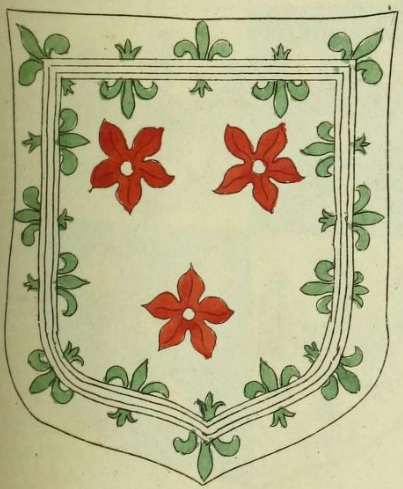 The Flemings and the Livingstone family
Rivals and allies, 1440 - 1661
The Livingstons of Callendar were neighbours of Cumbernauld. They began as enemies: Sir Alexander Livingston helped arrange the Black Dinner of 1440, after which Sir Malcolm Fleming was executed. Within a generation the two families were marrying, and the Livingstons became the Flemings’ most frequent partners in marriage.
The Black Dinner
In November 1440 Sir Alexander Livingston of Callendar and Sir William Crichton seized the young Earl of Douglas and his brother at dinner in Edinburgh Castle and had them beheaded. Sir Malcolm Fleming, who was with them, was executed four days later. In August 1443 his son Robert obtained from Livingston a sworn denial that he had given any counsel, help or consent to his father’s death.
Eight marriages
The breach healed quickly. About 1465 Sir Malcolm Fleming of Monycabock married Euphemia Livingstone, mother of the 2nd Lord Fleming. In 1472 Elizabeth Fleming married James, 3rd Lord Livingston. Malcolm, 3rd Lord Fleming, paid tochers to Alexander, Lord Livingston, for two daughters married to his sons in 1546–47. In 1560 Agnes Fleming married William, 6th Lord Livingston. In 1609 John, later 2nd Earl of Wigtown, married Margaret Livingstone, daughter of the Earl of Linlithgow, with a tocher of 28,000 merks. The Flemings of Bord also married Livingstons twice.
Money and politics
The two families were also bound by money. In 1639 James Livingstone, 1st Earl of Callendar, gave the 2nd Earl of Wigtown a bond of relief for 29,000 merks, secured on the barony of Callendar. The two families later went to law over the debts of the Callendar redemption. In 1661 the 3rd Earl of Wigtown knelt in Parliament to receive the patent creating his kinsman Alexander Livingstone 2nd Earl of Callendar. Not every encounter was friendly: in 1587 the 1st Earl recovered the bailiary of Denny from the Livingstones of Dunipace, who had taken it during his forfeiture.